
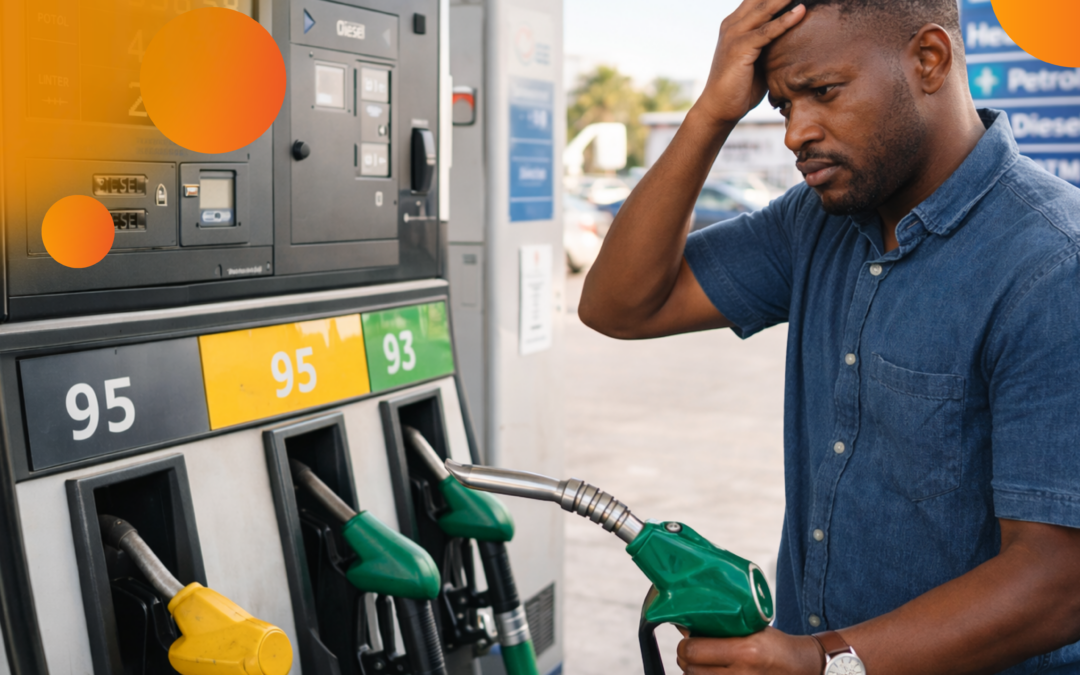
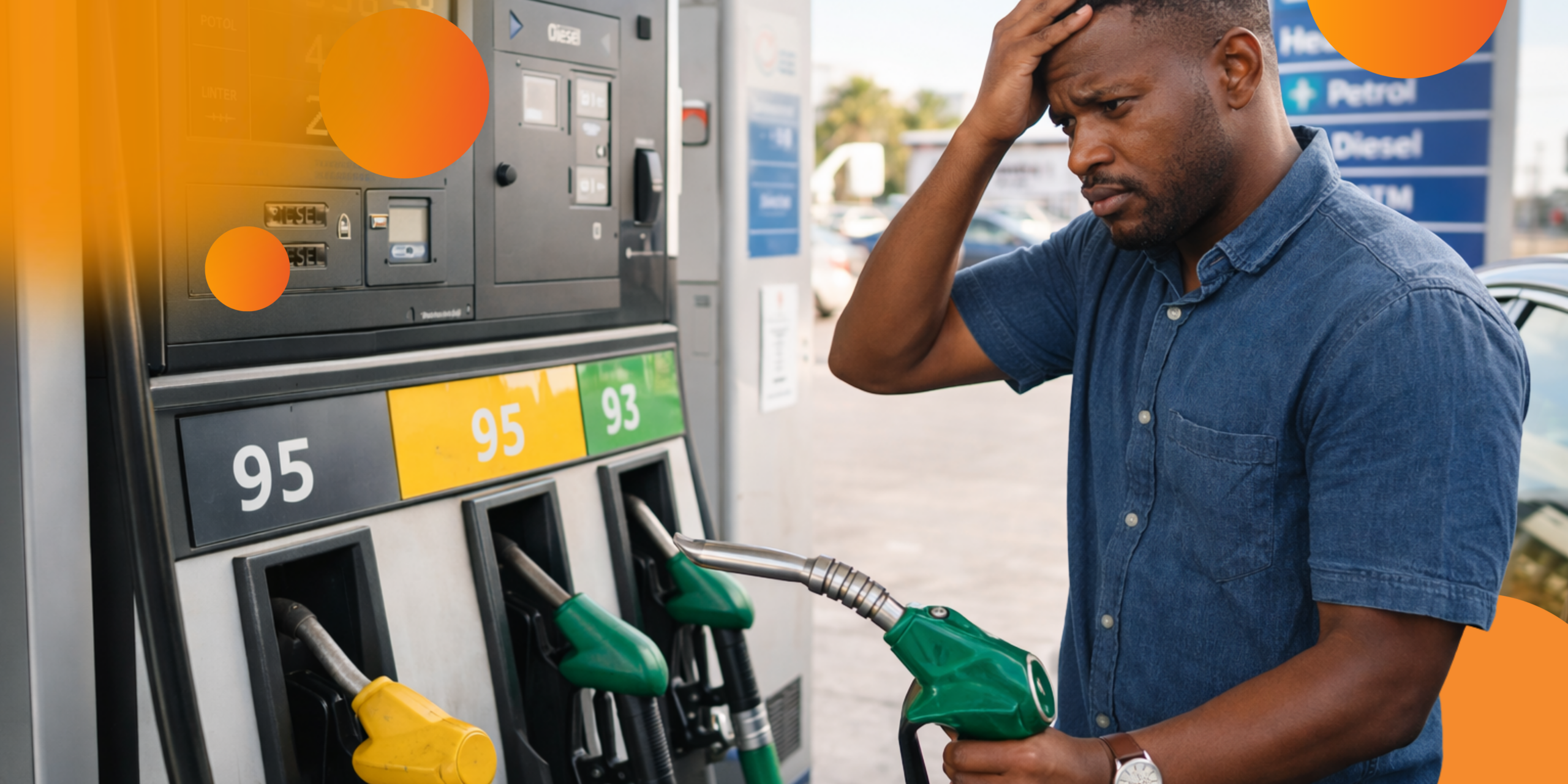
South Africa’s fuel price increased again in April 2026. If you filled up recently, you felt it straight away. Petrol 93 went up by more than R5 a litre. Petrol 95 followed close behind. Diesel increases added more pressure, and early signs already point to another hike in May.
Where do you feel it first in your day?
Most people notice it at the petrol station. But it rarely ends there.
The cost doesn’t stop at the pump
Fuel doesn’t only power your car. It drives the truck delivering your groceries. It moves the courier dropping your online order. It keeps suppliers moving stock to your nearest retailer. When fuel prices rise, transport costs rise with them. Those costs don’t disappear. They shift along the chain.
Where do they land?
They land in your shopping basket.
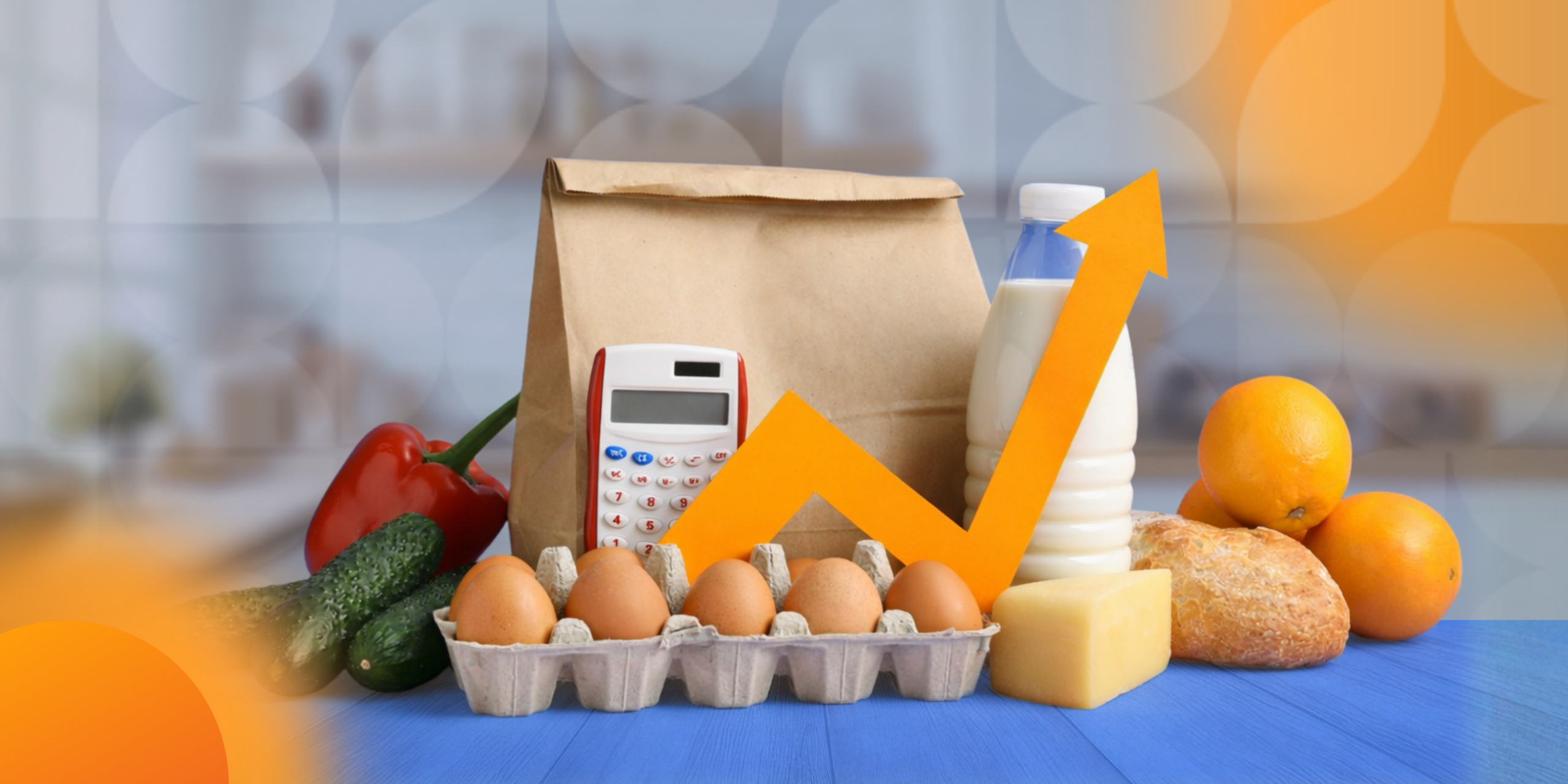
You’ve seen it. Bread sits at a higher price than before. Milk, cooking oil, cleaning products, the items you buy without a second thought, all cost more than they did six months ago. It doesn’t always happen at once. It doesn’t come with a sign at the till. It builds over time. One day your usual shop costs more than you expect.
That’s the ripple effect of a fuel price increase. It starts at the pump and spreads into almost every part of your spend.
Why groceries feel it first
Retailers and suppliers work on tight margins. When their input costs go up, including the cost of getting products from the warehouse to the shelf, they adjust. Sometimes that’s a price increase. Sometimes it’s a smaller pack for the same price. Sometimes it’s a common promotion quietly disappearing.
The result for households is the same: your rand doesn’t stretch as far as it did.
For value-conscious shoppers, this isn’t new territory. South Africans have been managing rising costs for years. The adjustment is familiar even if it’s frustrating. You plan more carefully. You compare prices more often. You think twice before grabbing something that isn’t on your list.
That shift in behaviour, paying closer attention, being more deliberate about where and how you spend, is exactly the right response to a market that keeps shifting.
Smart shoppers are already adjusting
Have you started grouping errands to cut petrol spend? Then you’re already adjusting for the fuel price hikes.
Do you plan a weekly shopping trip instead of heading to the store daily? Same pattern.
Do you track which retailers give you better value on your regular shopping items? Then you’re ahead.
These habits don’t need a full lifestyle shift. They rely on small decisions made regularly. Choosing the right retailer for each shopping experience. Checking your local store’s promotions before you leave home. Making sure your money works harder for you.
Who manages rising costs best?
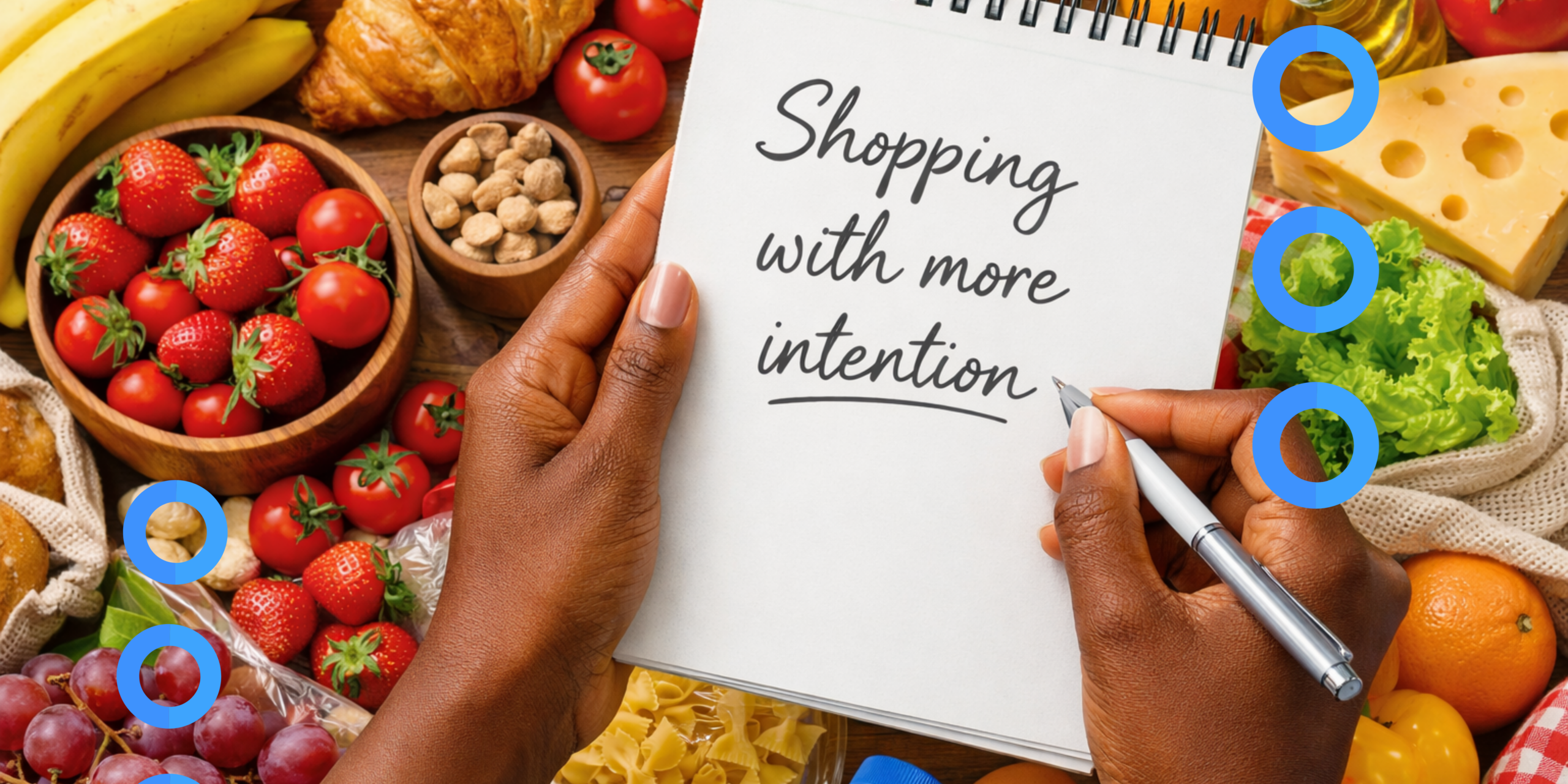
You don’t need to cut everything. The shoppers who manage rising costs best are the ones who shop with more intention -– to ShopSmart, SpendSmart and SaveSmart! The new rules of shopping smart in 2026 looks at exactly that: how to stack savings without compromising the way you live.
Where bsmart fits into this picture
This is where bsmart comes in. Not as a dramatic solution to rising prices, but as something that quietly supports the habits you’re already building.
When you shop at bsmart’s partner retailers, you earn cashback on your everyday spend. Not points that accumulate and then expire, or vouchers that come with conditions. Cashback, on the groceries, essentials, and household items you were going to buy anyway. That cashback moves you closer to what bsmart calls a Better Price, the real cost of your shop after you’ve earned back on it.
And it stacks. You’re not choosing between bsmart cashback rewards and your retailer’s own loyalty programme or in-store specials. You can benefit from all of them at the same time. The specials you already look for, the retail partner loyalty points or instant discounts that you already collect, and to top that, the bsmart cashback rewards. Also, take the time to check latest retail partner specials to see further manufacturer vouchers or discounts, in-store deals you can unlock and obtain a Better Price.
In a market where prices are climbing, stacking value across every purchase is the kind of practical response that actually makes a difference over a month or a year.
You can’t control petrol prices. You can control how you shop.
Rising fuel costs are a reality most South African households have come to accept, even if reluctantly. The price at the pump affects the price of almost everything else, and that’s unlikely to change anytime soon.
What you can control is how you respond to it.
Shopping with more intention. Paying attention to where your money goes and what you get back from it. Using tools that reward the spending you’re already doing.
These aren’t complicated strategies. They’re the everyday habits that experienced shoppers have always relied on.
Prices may keep rising. But every smart decision you make, by combining the retailer loyalty points and instant discounts you earn, and the in-store manufacturer vouchers and coupons, with payment for your shopping basket by using your bsmart card to earn cashback rewards, moves you to a Better Price.