

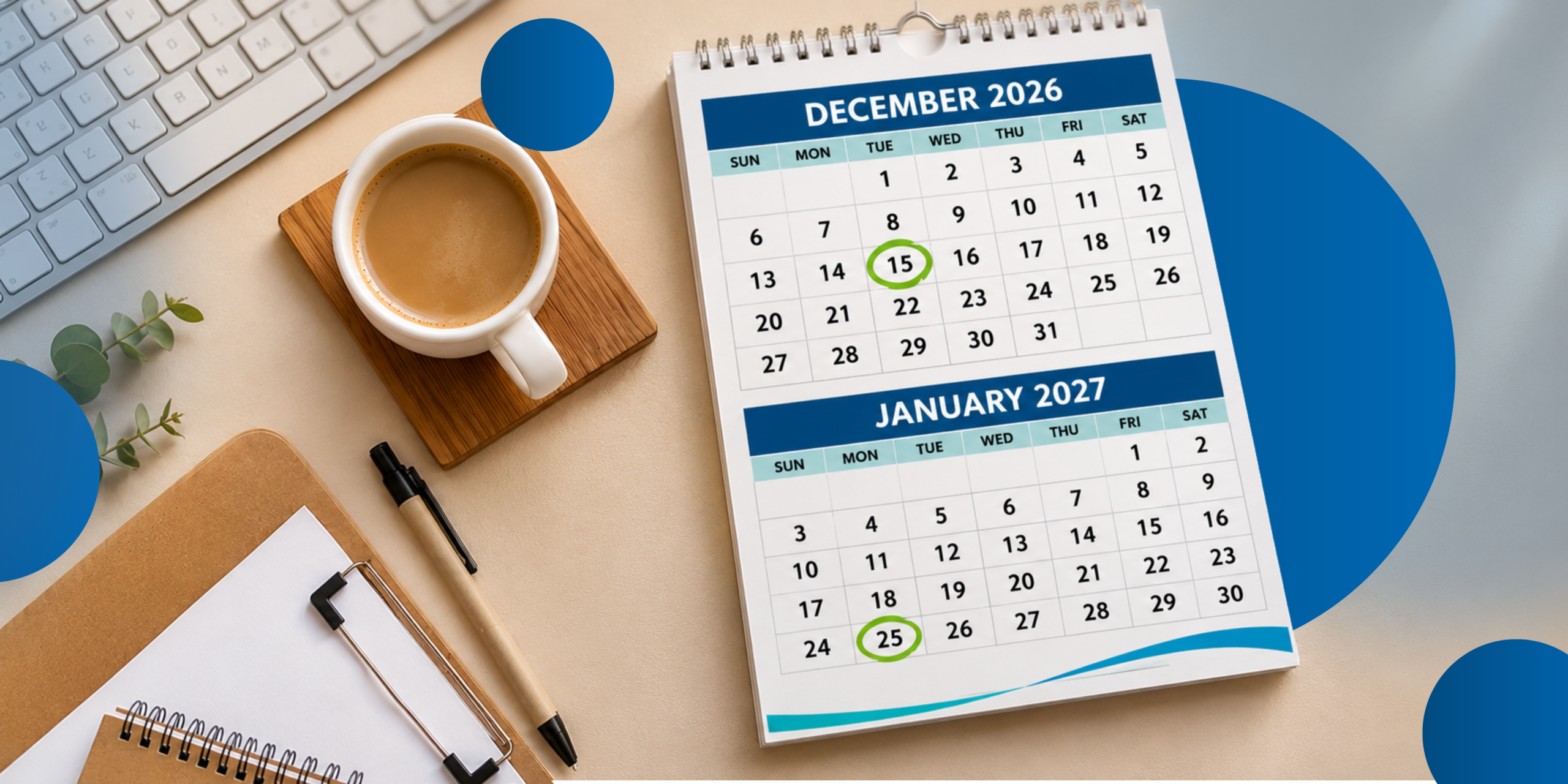
Ke Dezemba is here, and with it comes a question many everyday South Africans ask every year: why does January always feel like the longest month? For those of us who are paid monthly, the answer sits in the pay calendar, not the one on the wall. Once you know how it works, Januworry gets a lot smaller, and December stays yours to enjoy. bsmart’s job is to help members get a Better Price at the till every month, and that includes the long stretch between December and January paydays.
Why January has an extra week (or two)
Public holidays, year-end shutdowns and leave mean many employers move the December payday forward, often to the middle of the month. That one salary then has to cover the festive season, the holidays and the start of the new year, while January’s payday arrives on its usual date. Standard Bank’s analysis of customer spending found this January pay gap leaves people usually paid on the 25th waiting around 42 days for their next salary, and month-end earners around 49 days, which is why it’s become known as the 49-day pay gap. Standard Bank’s Shené Mothilal told EWN that “the January that never ends” is something South Africans have “very playfully” coined, adding: “And actually, there’s some truth in it.”
South Africans already pace their December
Here’s the encouraging part. Standard Bank found that December salaries last a little longer than November’s (when Black Friday speeds things up), with customers taking two to three extra days, on average, to spend half their income. In December, spending leans towards clothing, self-care, home and entertainment, and in January it shifts to education, data and connectivity, savings and travel. In other words, the things January asks for are predictable, and anything predictable is easy to plan for. 
The easiest habit: shop for January first
Before the festive shopping starts, jot down a short January list: school shoes and stationery, the first big grocery shop after the holidays, data, transport and any debit orders that land early in the month. Set that amount aside first, or pick up the things that keep, like stationery, toiletries and pantry staples, at one of bsmart’s retail partners during an ordinary December shop. As Sibongiseni Ngundze, CEO of personal banking at African Bank, told The Citizen: “A little planning goes a long way.” Then enjoy the rest of December without second-guessing every purchase. 
December is for enjoying
A long January isn’t a sign that anyone got December wrong. It’s a quirk of the calendar, and it arrives at the same time every year. This isn’t about spending less in December. It’s about deciding what January gets before the festivities do. Festive shop or ordinary Tuesday, bsmart members and cardholders get the Better Price at over 800 retailers and 15,000 stores nationwide, every month of the year.

FAQ
Why does January feel like the longest month?
For many people who are paid monthly, December’s salary arrives early, often mid-month, while January’s payday stays on its usual date. That stretches the gap between paydays to six or sev en weeks instead of the usual four or so.
Will my December salary be paid early this year?
It depends on your employer, since each one sets its own pay dates. If you’re not sure, check with your employer or payroll team early so you can plan around the date.
What should go on a January list?
Start with the basics that land early in the new year: school shoes and stationery, the first big grocery shop, data, transport and any early debit orders. Keep it short so it’s easy to stick to.
Before you go
December is for the people you love. A short January list is for future you, and bsmart makes every shop in between count at the till.