

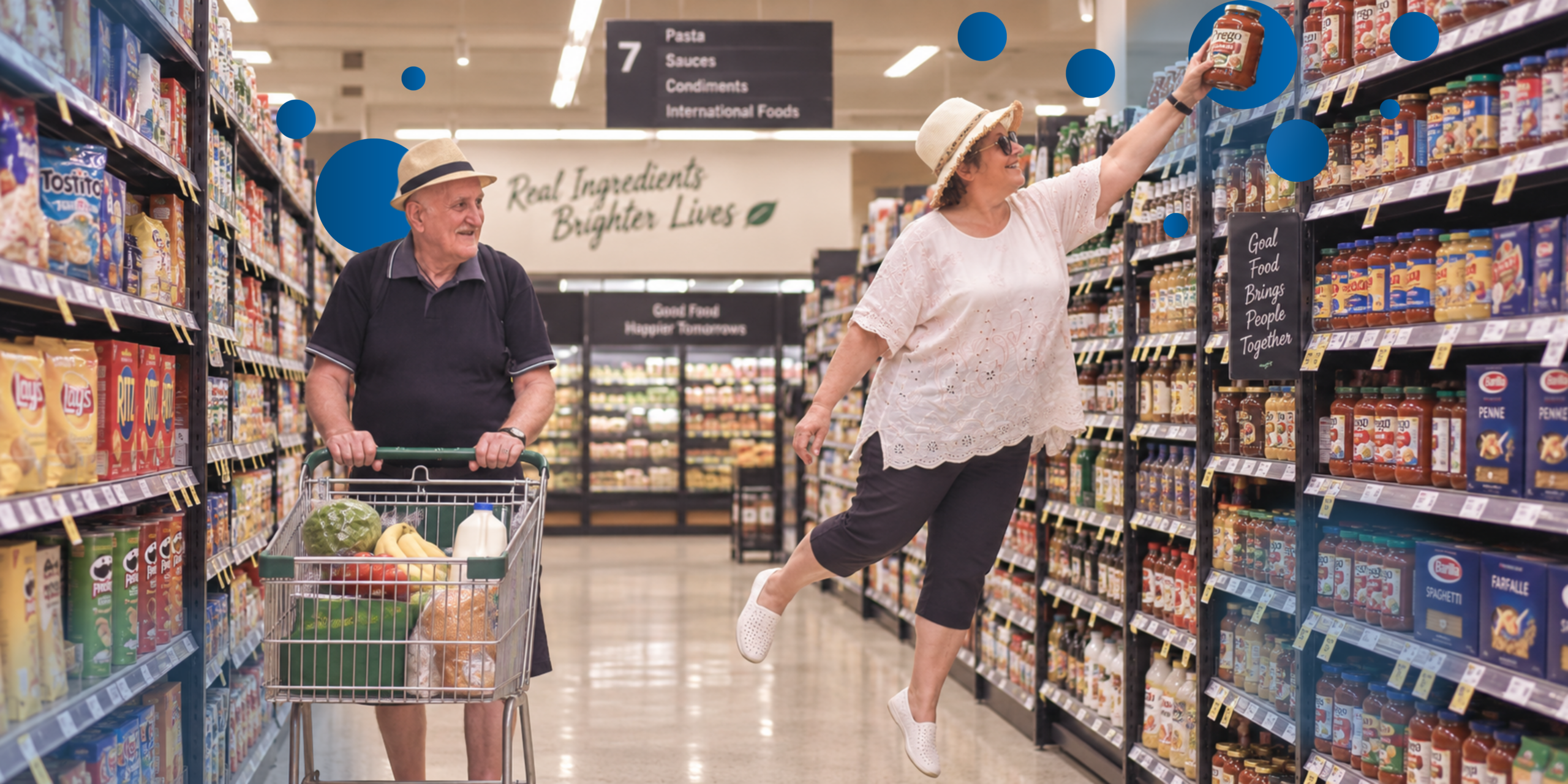
The groceries in your local supermarket are very strategically packed on the shelves. South Africa’s major retailers, including Checkers, Clicks, Dis-Chem, Woolworths, Pick n Pay and SPAR, spend heavily on supermarket marketing tactics designed to shape how much you spend before you even reach the till. According to Sarah Nicholson, head of customer experience at JustMoney, almost nothing on the shop floor is left to chance. What’s near the entrance, what’s at the till point, even the order you walk through the store, all of it is planned around getting you to spend more. JustMoney has identified dozens of these supermarket shelf placement tricks in total (BusinessTech, 20 July 2026, citing JustMoney).
You can be savvy here. The aisle was designed by someone, and knowing that lets you shop it on your own terms instead of on autopilot. That’s really where bsmart comes in. It doesn’t matter which aisle your trolley ends up in or how it got there; what matters is that the decisions you make are well-informed and work in your favour.
Eye level shelf space is real estate
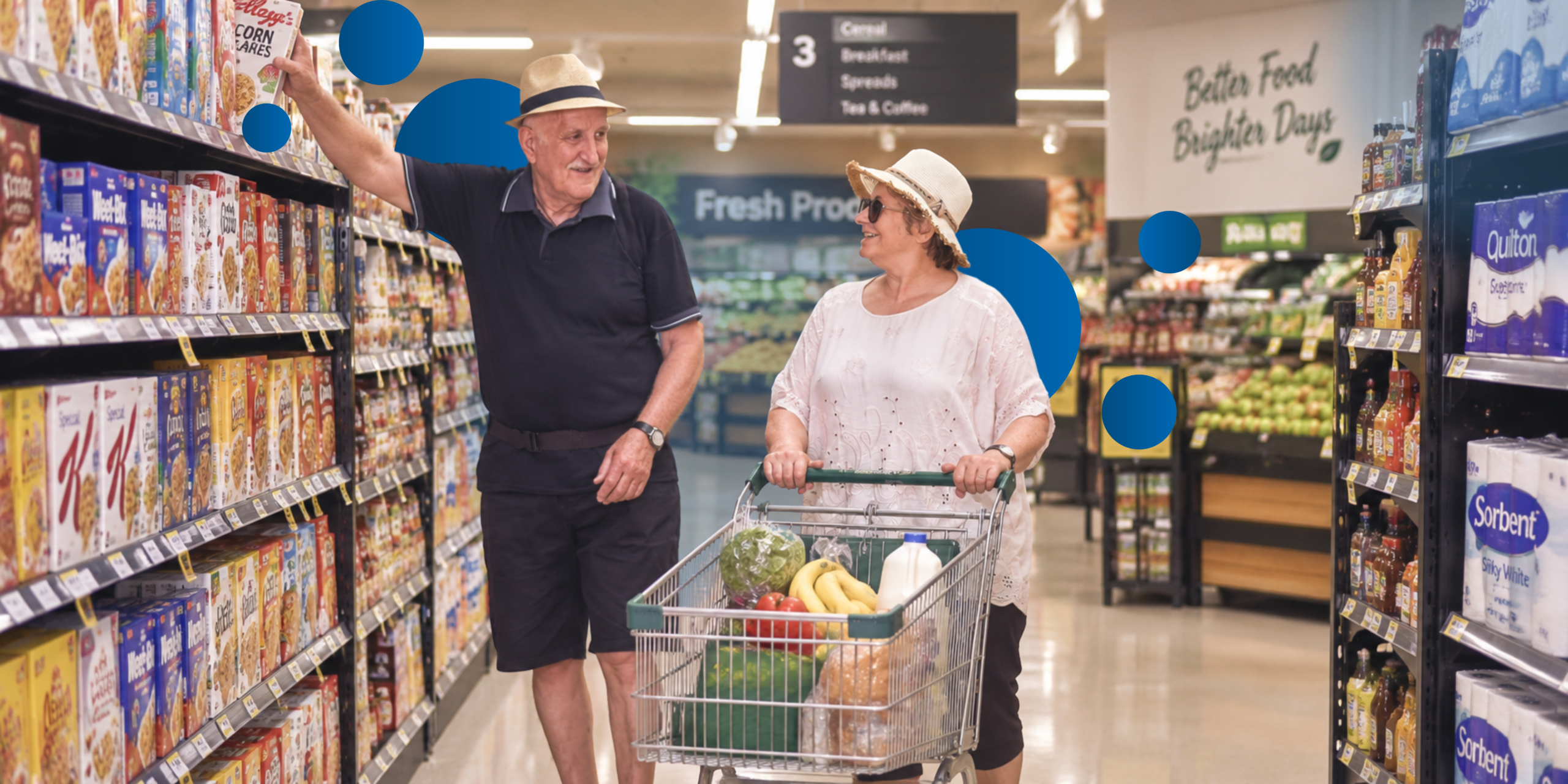
Most people assume shelves are arranged purely to make shopping easier. In reality, the products sitting right at adult eye level are often the ones brands have specifically negotiated to be there, while items aimed at kids tend to sit lower, right where a child in a trolley can spot and ask for them. Staples like bread and milk are frequently placed deep inside the store, which naturally means walking past more tempting options to reach them. It’s a genuinely interesting mechanism to notice, not a trick played on you specifically.
Brands pay for the spot you see first
Prime shelf space is something brands pay retailers for, which is why the same few products tend to dominate eye level across different stores. Research into supermarkets across Southern Africa found local listing fees for a single product line can run from a few hundred US dollars a year to several thousand, and prime positions near the till, like sweets and small treats, have commanded fees in the tens of thousands. It’s simply how shelf space gets allocated as a business.
What changes once you know the system
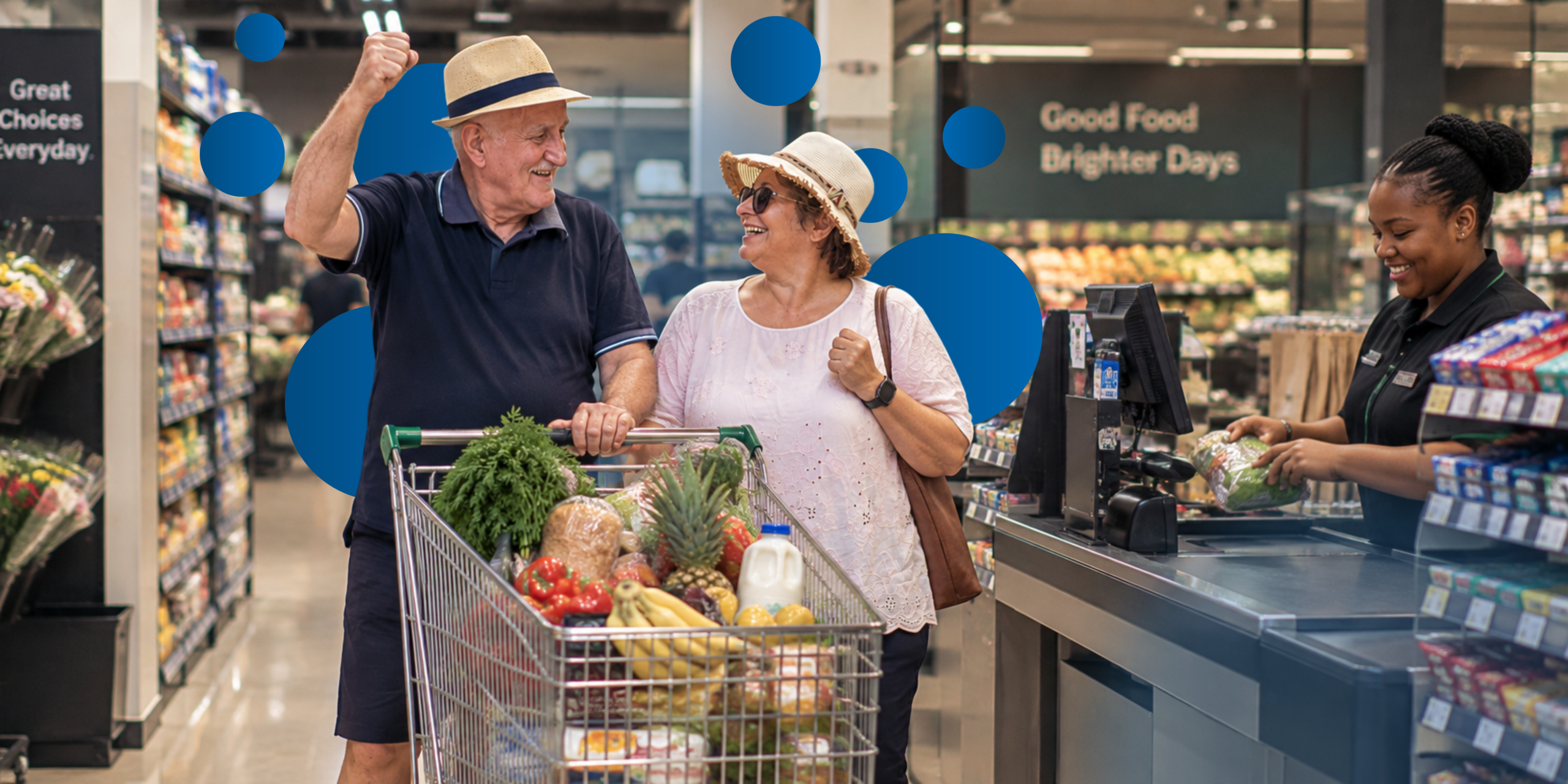
Once you know the front-facing shelf isn’t the whole story, the habit becomes simple: glance up and down, not just straight ahead, and treat checkout aisle impulse buying as optional rather than automatic. Walk in with a bit more intention, the same way you already compare prices or check reviews before buying something bigger.
“There’s a massive amount of pressure on the retailers because the environment is just so competitive. This is because consumers are facing so much financial pressure and are becoming more and more selective about where and how they shop,” says Nicholson.
The bigger idea
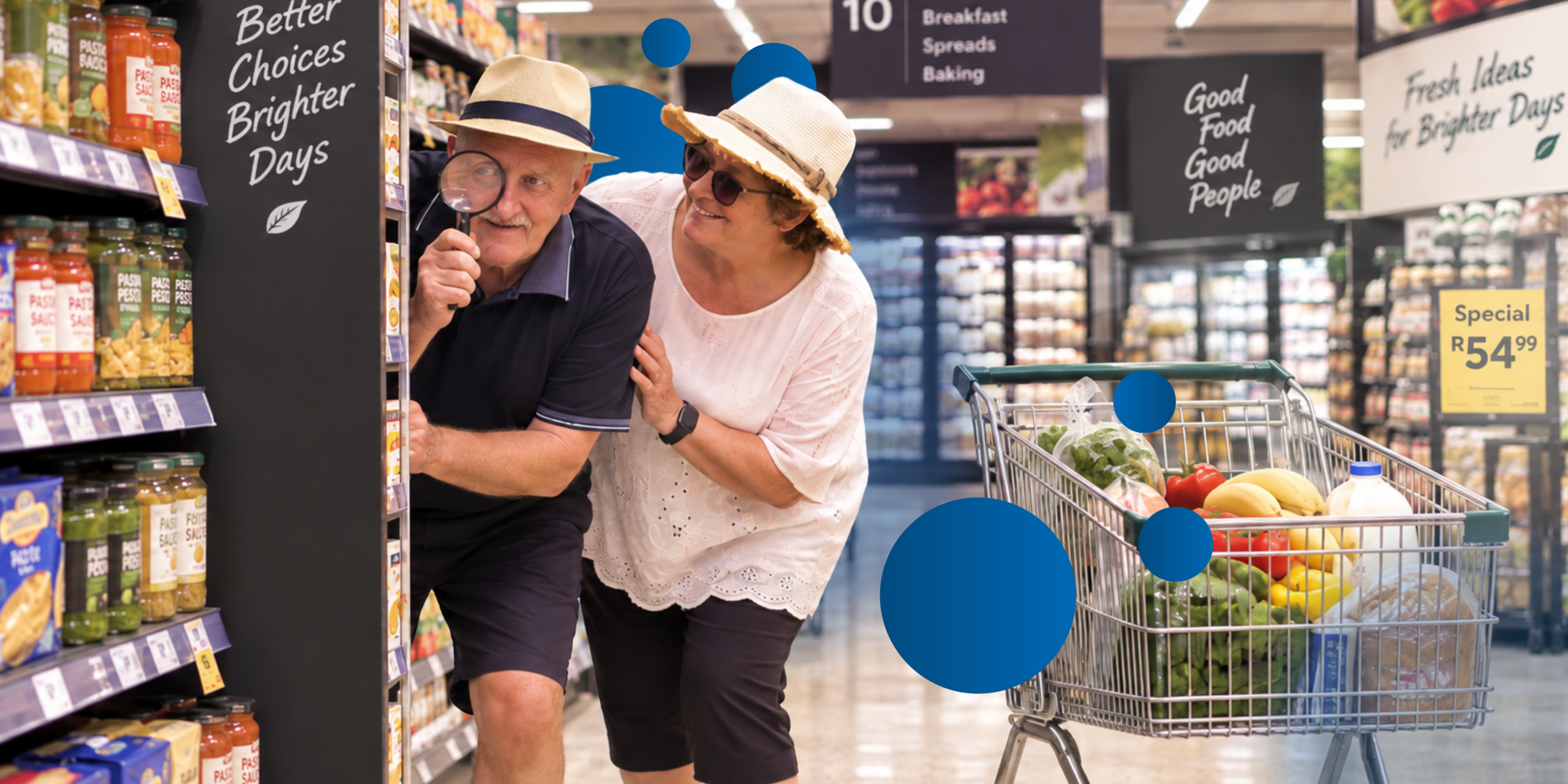
Retailers design the aisle. You still decide what goes in the trolley. Being strategic here means noticing a system that’s always been there, and using that awareness to your advantage. bsmart’s role doesn’t change here: whatever you choose to buy, and wherever it sits on the shelf, bsmart is there to make sure it counts at the till.
The shelf might decide what you see first. bsmart makes sure what you pay still gets you rewards.