

When did you last walk into a supermarket without a plan?
The list gets written before leaving home now. The specials get checked. The loyalty card is already in the bag. South Africans didn’t develop these habits because someone told them to. They developed them because petrol, electricity, and groceries kept getting more expensive, and cutting back only goes so far.
What happened was more interesting than just cutting back. You probably already noticed yourself shopping a little differently. You know which store has the better price on mince this week. You’ve planned the trip. You’ve checked the app. You’re stacking a loyalty reward on top of a cashback offer before you’ve even left the driveway.

The weekly shop looks different now
Eighty-four percent of South African consumers actively track coupons, deals, and promotions before they buy, according to MarkLives. A separate report found that three-quarters of South African shoppers use digital tools and social media to research before they shop. That’s checking your phone before you leave the house, at scale, across millions of households.
The weekly shop has become more deliberate. One bigger, better-planned trip instead of three rushed top-ups. Loyalty programmes and cashback offers stopped being optional somewhere along the way and became part of the routine. Smart spending habits don’t arrive fully formed. They get built, incrementally, under pressure, and South African shoppers have had plenty of both.
Shopping in South Africa now means a list, a budget, and a plan for stacking value wherever it’s available. The rising cost of living pushed the habits into place. The habits stuck.
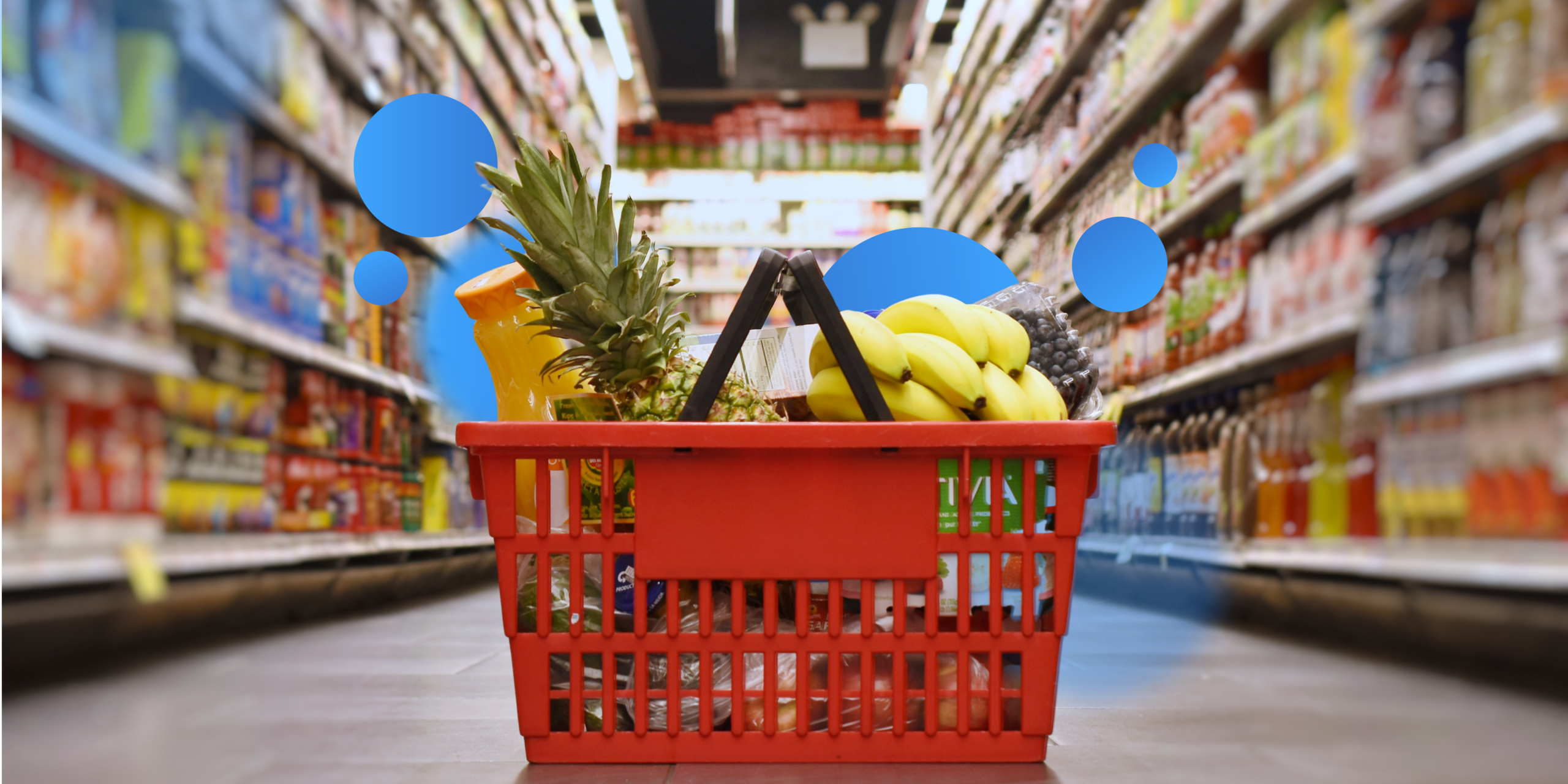
Good products at the best available price
Tracking deals before you buy doesn’t mean filling your basket with the cheapest version of everything. MarkLives’ research into the value-and-quality consumer confirms what most shoppers already know from their own trolleys: quality stays in the picture. You’ll pay more for something if the product holds up. The goal is the best available price on something worth buying.
Retailers are adjusting to this. Endless discounting has a ceiling, and shoppers who’ve spent the last few years sharpening how they spend aren’t moved by a markdown alone. Saving money on grocery shopping in South Africa increasingly means knowing where to spend, where to save, and how to stretch your rand further across a basket that still reflects what your household actually needs.
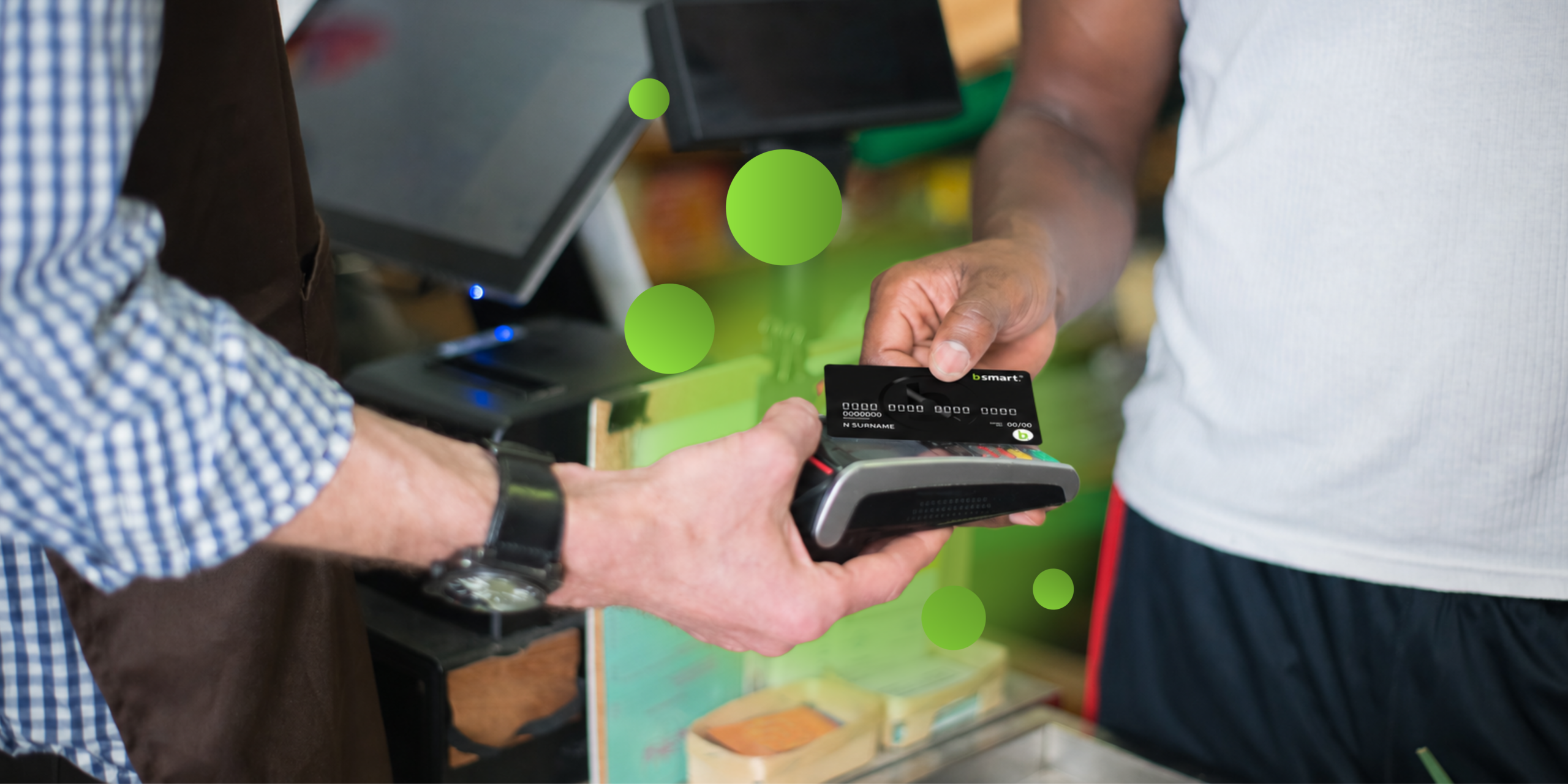
How bsmart fits into the system
You’re already building a system. It includes checking specials, using grocery loyalty rewards, and planning the shop before walking in. bsmart adds a cashback layer on top of shopping you’re already doing, at retailers you already use. Your loyalty programme keeps running. The specials still get checked. bsmart makes those habits earn something extra.
The best cashback offers in South Africa return value on behaviour you’ve already built. South Africans didn’t set out to become more strategic shoppers. The rising cost of living shaped the habits. The habits became second nature. For anyone already planning their shop, comparing prices, and using loyalty rewards, adding cashback is the next logical step.
Get to a Better Price
Prices may keep rising. But every smart decision you make, by combining the retailer loyalty points and instant discounts you earn, and the in-store manufacturer vouchers and coupons, with payment for your shopping basket by using your bsmart card to earn cashback rewards, moves you to a Better Price.